Skip to content

🔥O Range Smoke Control Panel - FSM Awards Shortlist: Fire Innovation of the Year!Discover More →

Smoke Control Dampers: BS EN 12101-8 Certified

0.6m² to Bespoke GFA, Motorised or Spring-Return: Tested & Certified

Product Overview

Smoke Shaft & Natural Dampers

BS EN 12101-8certified
E120fire rated
24V DCvoltage

Smoke and natural dampers control airflow through shafts, risers, and duct systems in multi-storey buildings: allowing smoke to be extracted from the fire floor while preventing migration to adjacent floors via the ventilation shaft. Vent Trade supplies the Ventec SCD-LD and SCD-LDN smoke control dampers, certified to BS EN 12101-8 with E120 fire rating and 10,000-cycle durability, plus the Ventec ED environmental damper for natural ventilation extract applications.

Smoke Dampers
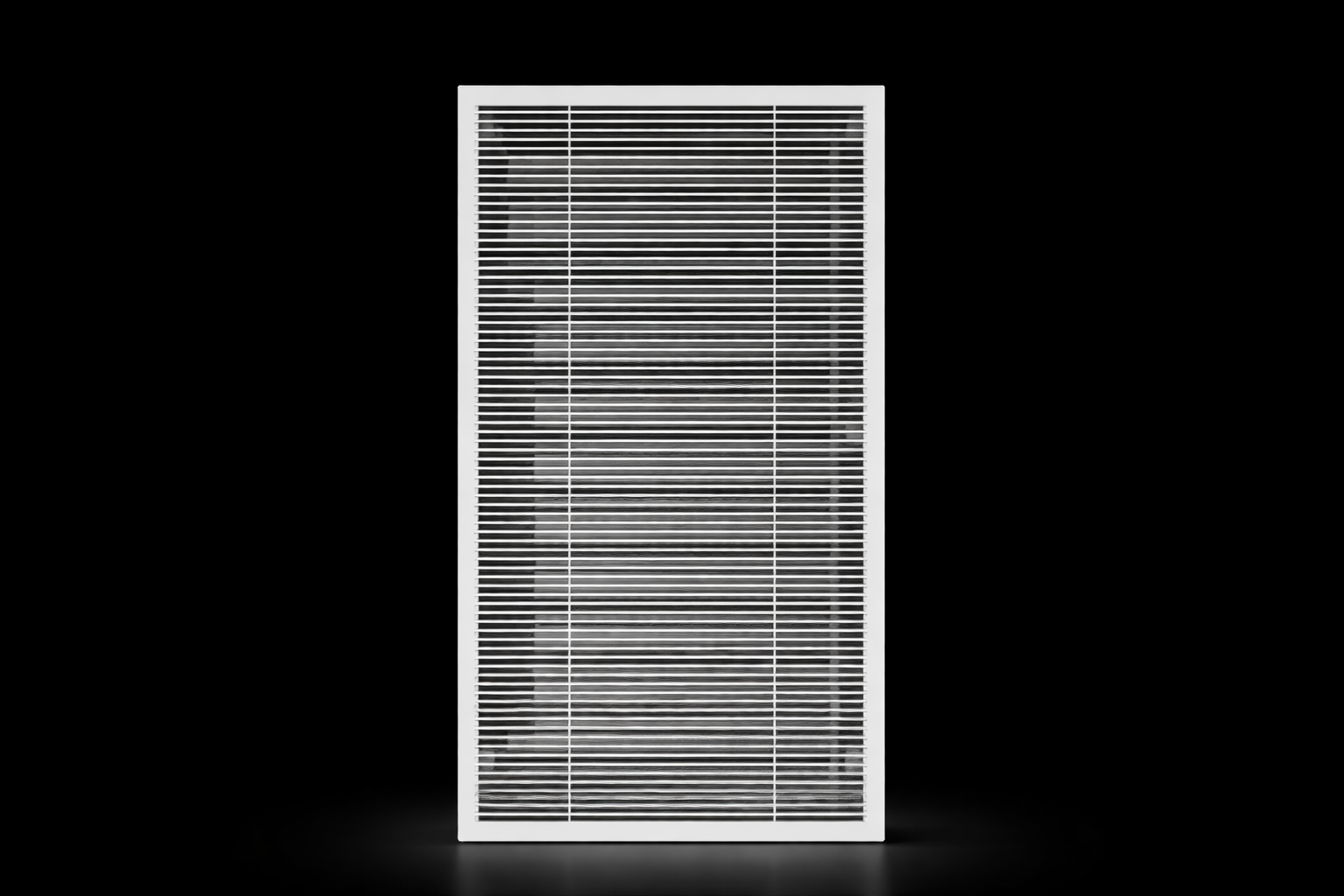
Ventec LD smoke control damper for mechanical ventilation systems
VentecLD Smoke Damper

EN 12101-8 certified smoke control damper for mechanical smoke ventilation. Power open/close at 24V DC. For multi-storey residential and commercial buildings.

  • Power open / power close
  • EN 12101-8: E120 (ve, ho i ↔ o) S
  • 1.2m²
  • 10,000 cycles
Smoke Dampers
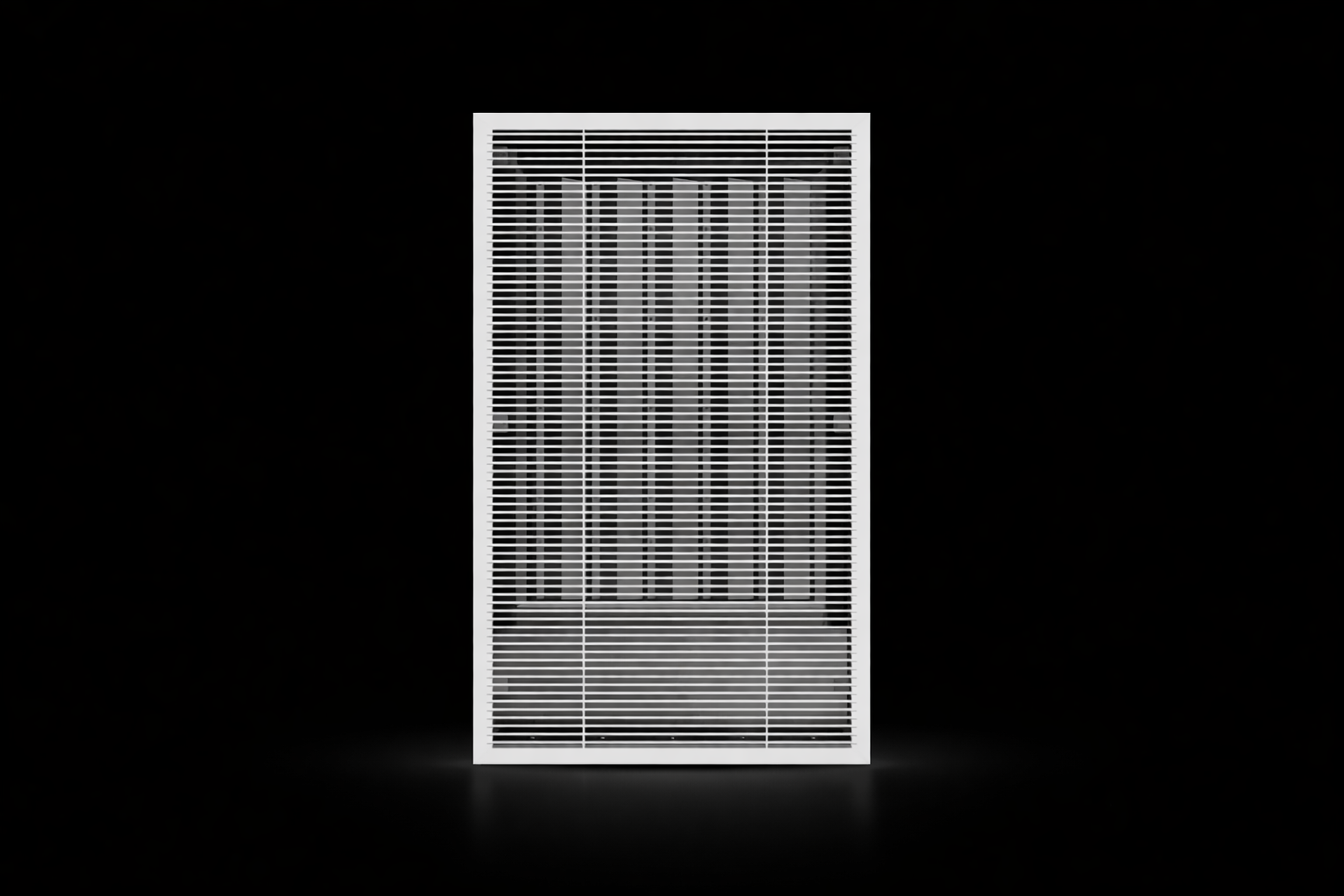
Ventec LDN automatic smoke control damper for shaft systems
VentecLDN Smoke Damper

Smoke control damper for multi-storey smoke shaft systems. 24Vdc power open/close with 10,000 cycle durability. BS EN 12101-8 certified and E120 fire tested.

  • Power open / power close
  • EN 12101-8: E120 (ve, ho i ↔ o) S
  • up to 1.2m²
  • 10,000 cycles
Download Datasheet (PDF)
Smoke Dampers
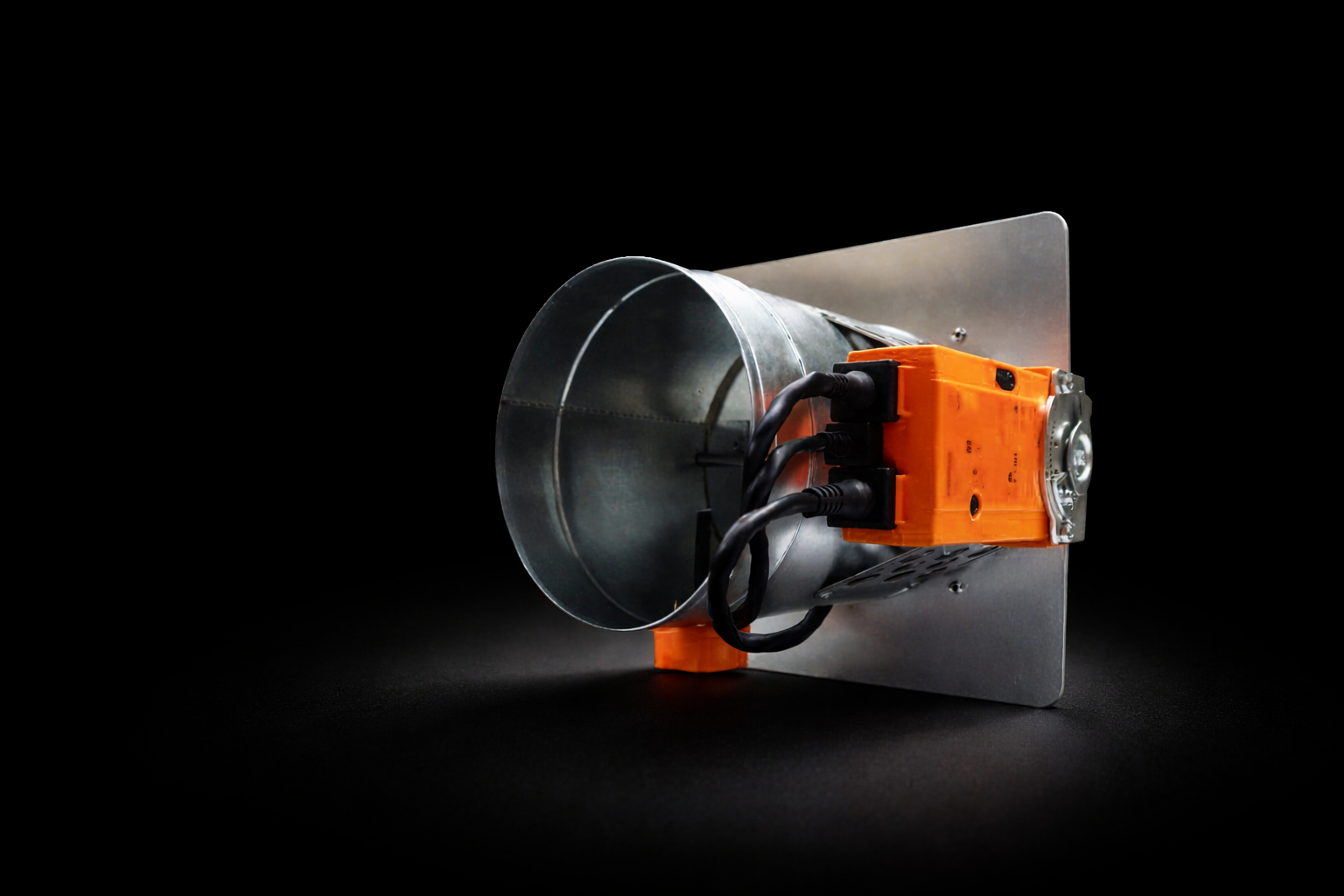
Ventec ED environmental damper with thermal fuse override
VentecNatural Damper

Power open, spring-close environmental damper with 72°C thermal fuse. Extracts hot or polluted air. Part of the Ventec Enviro Assist system.

  • Power open / power close
  • 72°C thermal fuse
  • 10,000 cycles

Ventec smoke control dampers certified to BS EN 12101-8 and environmental dampers for natural ventilation: SCD-LD, SCD-LDN, and ED models. 24V DC power open/close with E120 fire rating and 10,000-cycle durability.

For damper selection and technical data, call our technical team on 01202 725 689.

Frequently Asked Questions

What is a smoke control damper?

A smoke control damper is a motorised blade assembly installed in a ventilation shaft, riser, or duct that opens and closes to control the movement of smoke through a building during a fire. In a typical smoke shaft ventilation system, dampers on each floor are normally held closed.

When a fire is detected on a specific floor, the smoke control panel opens the damper on the fire floor to allow smoke to be extracted through the shaft, while keeping dampers on all other floors closed to prevent smoke from migrating to unaffected areas. Smoke control dampers operate at 24V DC with power open and power close functionality, providing positive position control in both states.

They are a critical component of multi-storey smoke ventilation systems in residential and commercial buildings, enabling floor-by-floor smoke control in buildings that use a common smoke shaft strategy.

How do I select the right smoke damper for my project?

Selecting the correct smoke damper requires matching the product specification to the smoke ventilation design and the physical constraints of the shaft or duct opening. The primary parameters are damper size, fire rating, leakage classification, and operating voltage.

The damper must fit the shaft or duct opening dimensions and provide the required certified free area when fully open. Fire rating is critical: the damper must be tested to the fire resistance classification specified in the fire strategy, typically E120 for smoke shaft applications in residential buildings. Leakage classification determines how effectively the damper seals when closed, which is important for preventing smoke migration between floors.

Confirm the damper is certified to BS EN 12101-8 and that the test evidence covers the specific size, orientation, and mounting arrangement required by the project. Always verify compatibility with the smoke control panel specified for the system.

What standards do smoke dampers need to comply with in the UK?

Smoke control dampers used in UK smoke ventilation systems must be tested and certified to BS EN 12101-8, the European standard for smoke control dampers. This standard covers testing for leakage rate, fire resistance, operational reliability, and durability, with dampers classified according to their performance in each category.

The fire resistance rating: expressed as E followed by a time in minutes, such as E120: indicates how long the damper maintains its integrity when exposed to fire. The smoke control panel operating the damper must comply with BS EN 12101-10. The overall system must satisfy the fire safety requirements of Approved Document B of the Building Regulations.

Ventec smoke control dampers are certified to BS EN 12101-8 and E120 fire-tested, with 10,000-cycle durability testing to demonstrate long-term reliability in high-rise residential installations where daily ventilation cycling places high demands on the damper mechanism.

Where are smoke and natural dampers typically installed?

Smoke control dampers are installed in the walls of smoke ventilation shafts and risers in multi-storey buildings, typically at each floor level where the shaft passes through a corridor, lobby, or common area. They are a standard component of smoke shaft ventilation systems in high-rise residential buildings, where a central shaft provides the extract path for smoke from any floor in the event of a fire.

Environmental dampers for natural ventilation are installed in similar shaft and duct locations but serve a different purpose: regulating airflow for comfort ventilation, night cooling, and air quality management in occupied buildings. Natural dampers are commonly found in office buildings, schools, healthcare facilities, and mixed-use developments where automated environmental control is specified.

Both types may be installed in the same building where the ventilation design combines smoke extract and natural ventilation functions through shared or adjacent shaft systems.

What maintenance do smoke dampers require?

Smoke control dampers are life-safety devices and must be maintained to ensure reliable operation in a fire emergency. BS 7346-8 recommends regular functional testing including full open and close cycling of each damper, verification of correct damper position reporting to the smoke control panel, and inspection of the blade assembly, seals, and actuator mechanism.

Monthly functional tests should confirm that each damper opens and closes fully on command from the panel and returns the correct position feedback signal. The actuator and wiring should be inspected for signs of damage, corrosion, or water ingress.

A comprehensive annual service by a competent engineer is recommended, covering actuator force testing, blade seal integrity, fire resistance inspection, and verification of the panel interface. Buildings using daily ventilation cycling through smoke dampers should monitor cycle counts against the manufacturer’s rated durability (typically 10,000 cycles) and plan replacement before the rated life is exceeded.