Skip to content

🔥O Range Smoke Control Panel - FSM Awards Shortlist: Fire Innovation of the Year!Discover More →

Natural Ventilation Controllers & Thermostats

Controls: Temp, Rain, Wind, Radio and Bespoke for Natural Ventilation

Product Overview

Natural Ventilation Controllers

Natural ventilation controls manage the automated opening and closing of windows, rooflights, and vents in response to temperature, weather, and manual input: opening when ventilation is needed and closing automatically in rain or high wind. Vent Trade supplies the Ventec 100 Series and Topp TF24/TF44 controllers, wind and rain sensors, and remote controls, covering single-zone and multi-zone applications at 24V DC and 230V AC.

Natural Controls
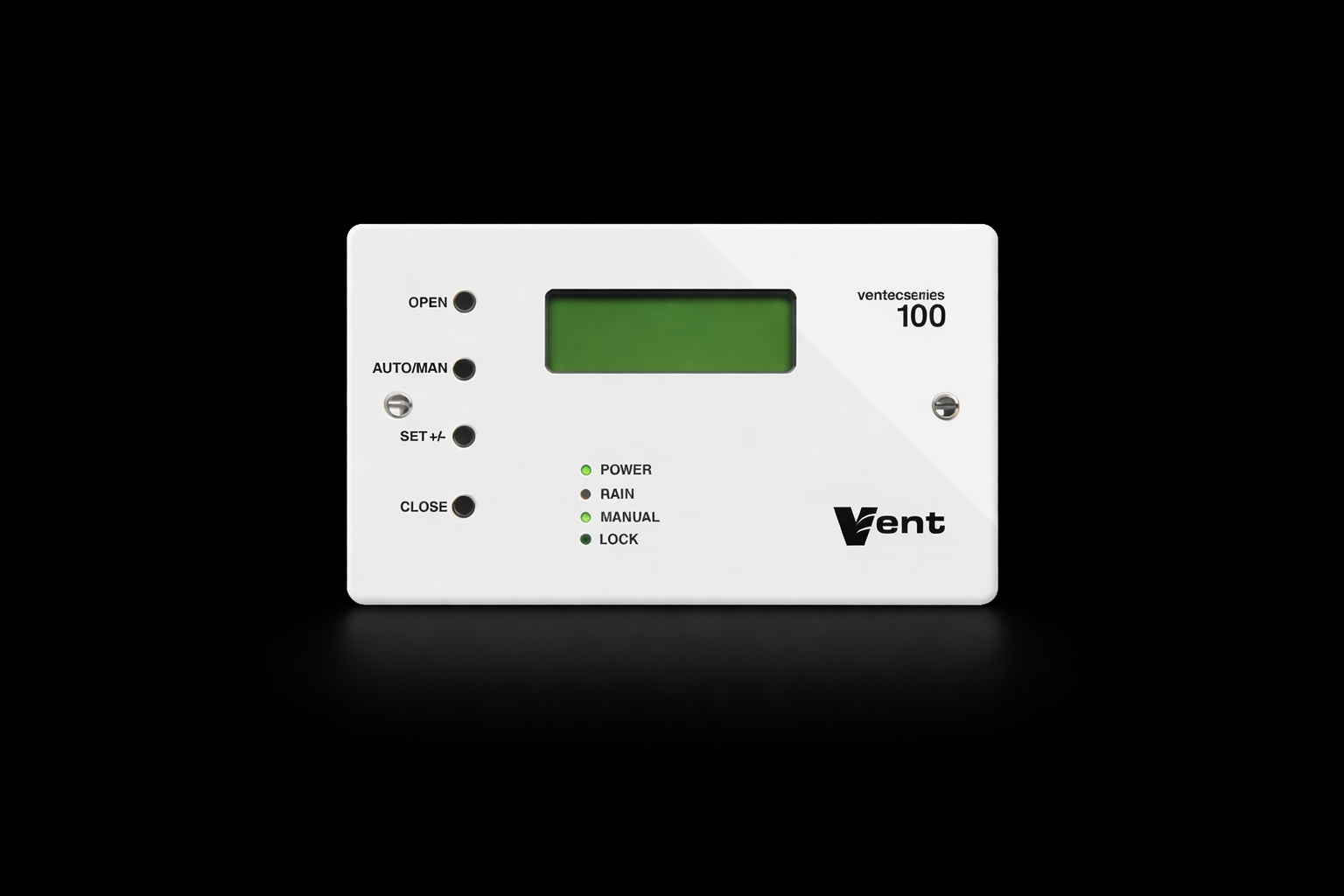
Ventec 100 Series single-zone 230V thermostatic controller
Ventec100 Series Thermostatic Controller

Single-zone 230V AC controller, 5A (upgradeable to 20A). Built-in temperature sensor, programmable schedules, rain and wind inputs. Wall-mount design.

  • LCD Temp and Rain controller
  • 1 zone
  • 230V
  • Auto + Manual
Download Datasheet (PDF)
Natural Controls
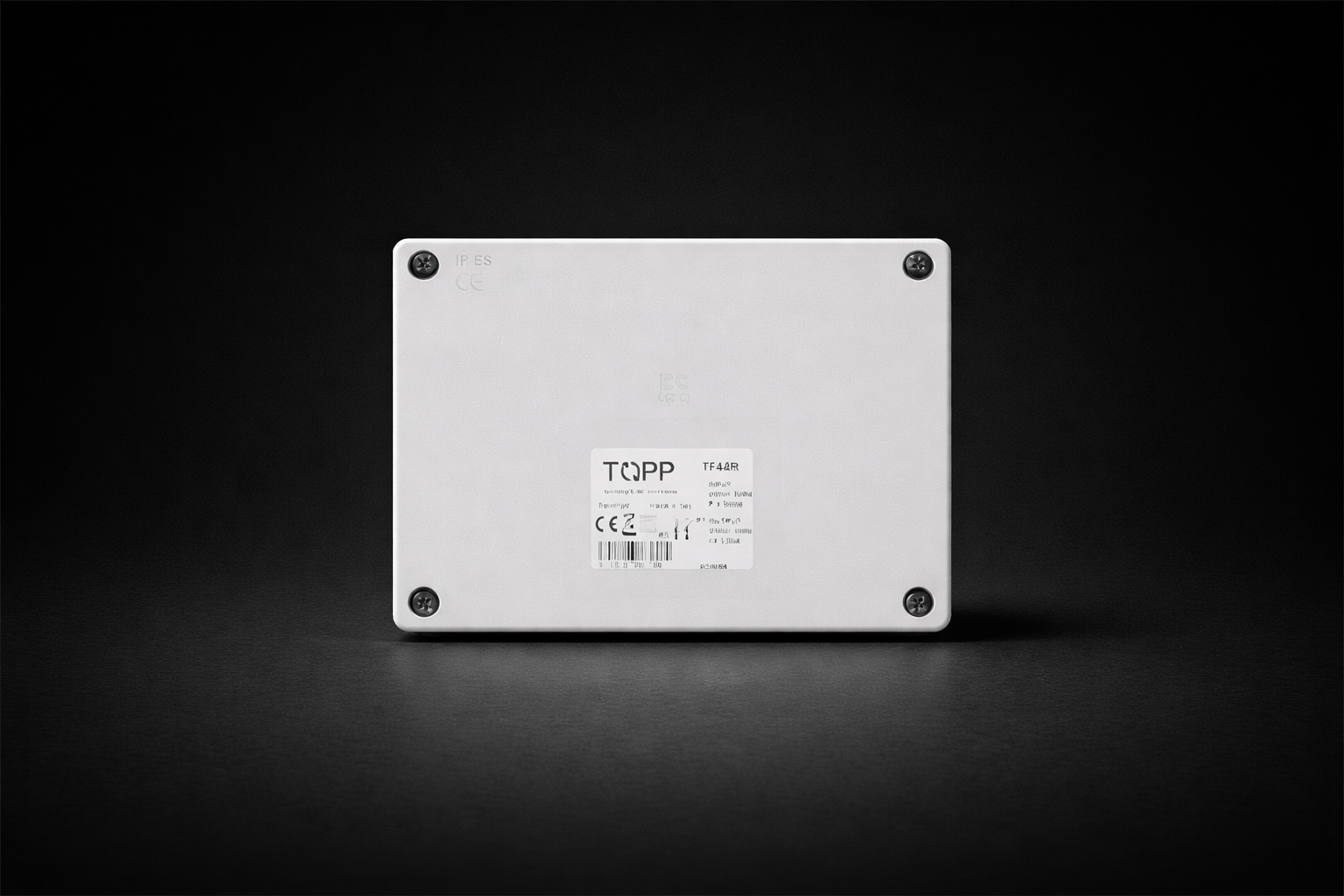
Topp TF24 24V thermostatic controller for natural ventilation window systems
ToppTF24

24V DC four-zone natural ventilation controller with temperature sensor, rain/wind sensor inputs and built-in RF receiver. Controls up to 8 actuators.

  • 4 Zones
  • 8 Actuators
  • 24V DC
  • Temp + Rain/Wind
Download Datasheet (PDF)
Natural Controls
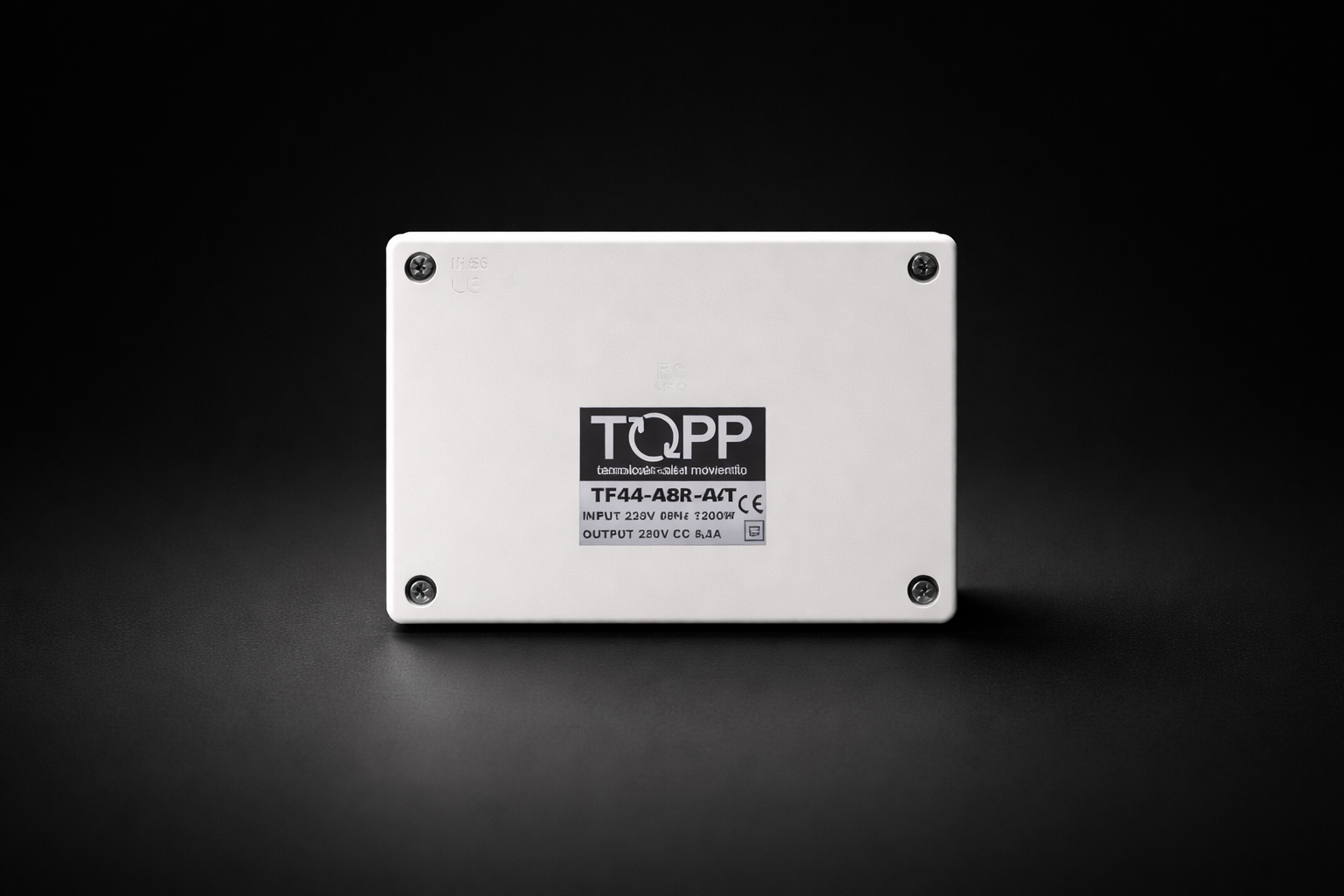
Topp TF44 230V thermostatic controller for natural ventilation window systems
ToppTF44

230V AC four-zone natural ventilation controller with temperature sensor, rain/wind sensor inputs and built-in RF receiver. Controls up to 8 actuators.

  • 4 Zones
  • 8 Actuators
  • 230V AC
  • Temp + Rain/Wind
Download Datasheet (PDF)
Remote Control
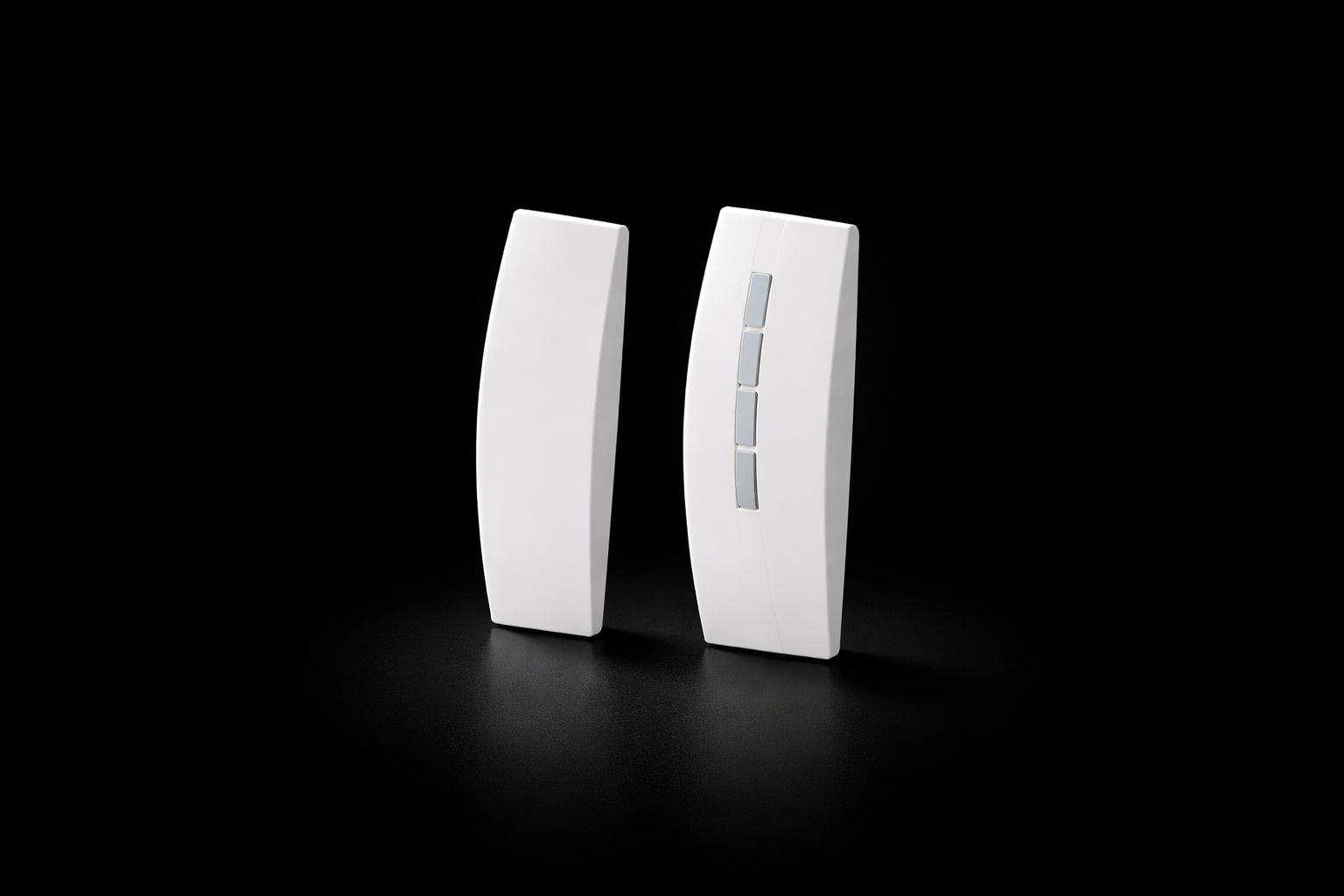
Topp TR8 handheld radio remote control for natural ventilation window actuator systems
ToppTR8

Handheld radio remote control for Topp TF24 and TF44 natural ventilation controllers. Open, close and stop commands for all zones from a single handset.

  • RF Radio
  • Open / Stop / Close
  • TF24 / TF44
  • Handheld

Ventec and Topp natural ventilation controls: thermostatic controllers, rain and wind sensors, and remote controls for automated window systems. Single-zone and multi-zone options at 24V DC and 230V AC.

For system design guidance or control selection, call 01202 725 689 or see our dedicated page for TOPP controls.

Frequently Asked Questions

What are natural ventilation controls?

Natural ventilation controls are electronic devices that manage the automated opening and closing of windows, rooflights, and vents in response to environmental conditions and manual input. A typical natural ventilation control system includes a thermostatic controller that monitors indoor temperature and opens windows when ventilation is needed, weather sensors that automatically close windows in rain or high wind, and manual override switches or remote controls for occupant and facilities management use.

The controller sends electrical signals to window actuators (chain, linear, or rack types) to open and close the windows according to its programmed logic. Natural ventilation controls enable buildings to use automated window opening for comfort cooling, night purging, and fresh air supply without the energy consumption and maintenance costs of mechanical air conditioning systems.

They are widely used in offices, schools, healthcare facilities, and residential buildings across the UK.

How do I choose the right natural ventilation controller?

Selecting the correct natural ventilation controller depends on the number of ventilation zones, the actuator voltage, and the required sensor inputs. For single-zone applications using 230V AC actuators, the Ventec 100 Series controller provides a straightforward solution with built-in temperature sensor, programmable set points, and integrated rain sensor capability.

For multi-zone systems using 24V DC actuators, the Topp TF24 handles up to four independent zones with eight actuators, built-in radio receiver for remote control, and pre-set wind and rain sensor inputs. The 230V equivalent is the Topp TF44, offering the same functionality without requiring a separate transformer.

Consider whether the application needs rain and wind sensor inputs for automatic window closure, remote control capability for occupant convenience, and integration with building management systems. Confirm that the controller’s output current rating is sufficient for the total actuator load in each zone, and verify compatibility with the specific actuator models being installed.

What standards apply to natural ventilation control systems?

Natural ventilation control systems used purely for comfort ventilation (without a smoke control function) are not required to comply with the BS EN 12101 smoke ventilation standards. However, they must comply with relevant electrical safety standards for low-voltage equipment and electromagnetic compatibility regulations.

Where natural ventilation controls are combined with smoke ventilation functionality in a dual-purpose system, the smoke control elements must comply with BS EN 12101-10 for control and power supply equipment, and the system must satisfy the fire safety requirements of Approved Document B. Building Regulations Part L sets energy efficiency targets that natural ventilation systems can help meet by reducing reliance on mechanical cooling.

CIBSE Guide A and CIBSE AM10 provide guidance on natural ventilation design for non-domestic buildings. Controllers with weather sensor inputs should be installed and configured in accordance with the manufacturer’s guidance to ensure reliable automatic window closure in adverse conditions.

Where are natural ventilation controls typically used?

Natural ventilation controls are used in buildings where automated window opening provides comfort cooling, fresh air supply, and energy-efficient temperature management. Common applications include:

  • Offices and commercial buildings where natural ventilation replaces or supplements mechanical air conditioning
  • Schools and educational buildings where Building Bulletin guidelines specify minimum fresh air provision
  • Healthcare facilities where good air quality and infection control require regular air changes
  • Residential buildings including apartments and care homes where automated ventilation improves occupant comfort and indoor air quality

Controls are also used in industrial and warehouse buildings for temperature management and fume extraction through roof-mounted vents. Multi-zone controllers are particularly suited to larger buildings where different areas have different ventilation requirements: for example, sun-facing and shade-facing facades in an office building.

Weather sensors are essential in any installation where windows open automatically, providing rain and wind protection to prevent water damage and drafts.

What maintenance do natural ventilation controls need?

Natural ventilation controls require periodic inspection and testing to maintain reliable automated window operation. Monthly functional tests should confirm that the controller responds correctly to temperature changes by opening and closing windows at the programmed set points, and that rain and wind sensors trigger automatic window closure when activated.

The sensor elements should be inspected for contamination, physical damage, or obstruction: rain sensors in particular can be affected by dirt, algae, or bird droppings that reduce sensitivity. Remote control handsets should be checked for battery condition and range performance. The controller’s programmed parameters: temperature set points, wind speed thresholds, and time schedules: should be reviewed annually to confirm they remain appropriate for the building’s current use and occupancy pattern.

Wiring connections between the controller, sensors, and actuators should be inspected for signs of damage or deterioration. A comprehensive annual service should include verification of all zone outputs, sensor calibration checks, and confirmation that manual override functions operate correctly from all control positions.