Linear Actuators
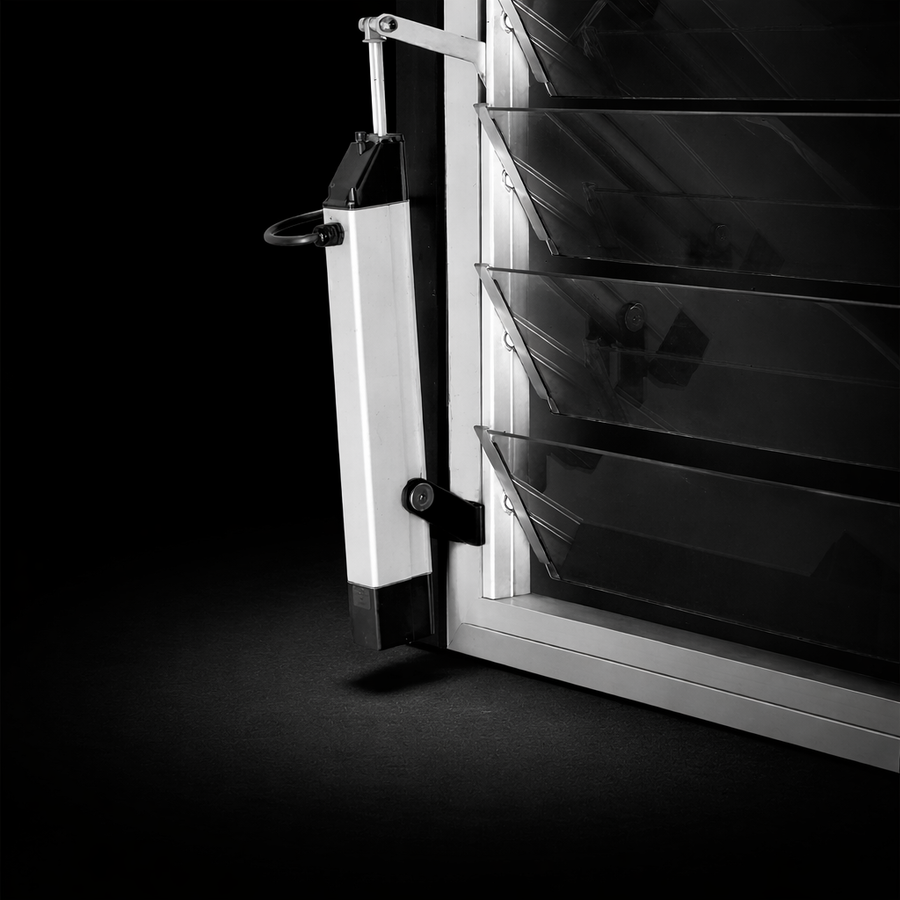
MingardiEURO 1
Rigid-rod linear actuator with up to 1000N thrust. Adjustable stroke 70–500mm in 230V AC or 24V DC. For heavy facades and rooflights. Trade supply.
- 450-1000N / 45-100kg
- 70 - 500mm
- 230V / 24V
- Silver
- Sync option: No
Linear Window Openers for Smoke & Natural Ventilation: Trade Pricing, Expert Advice
Product Overview
Linear actuators use a motorised leadscrew or rigid push rod to deliver higher, more consistent force throughout the full stroke: the right choice for heavier windows, external installations, or applications requiring IP-rated weather resistance. Vent Trade stocks linear actuators from UCS, Mingardi, and Topp with thrust up to 1000N and strokes from 70mm to 1000mm, available in 24V DC and 230V AC for next-day delivery.
Rigid-rod linear actuator with up to 1000N thrust. Adjustable stroke 70–500mm in 230V AC or 24V DC. For heavy facades and rooflights. Trade supply.
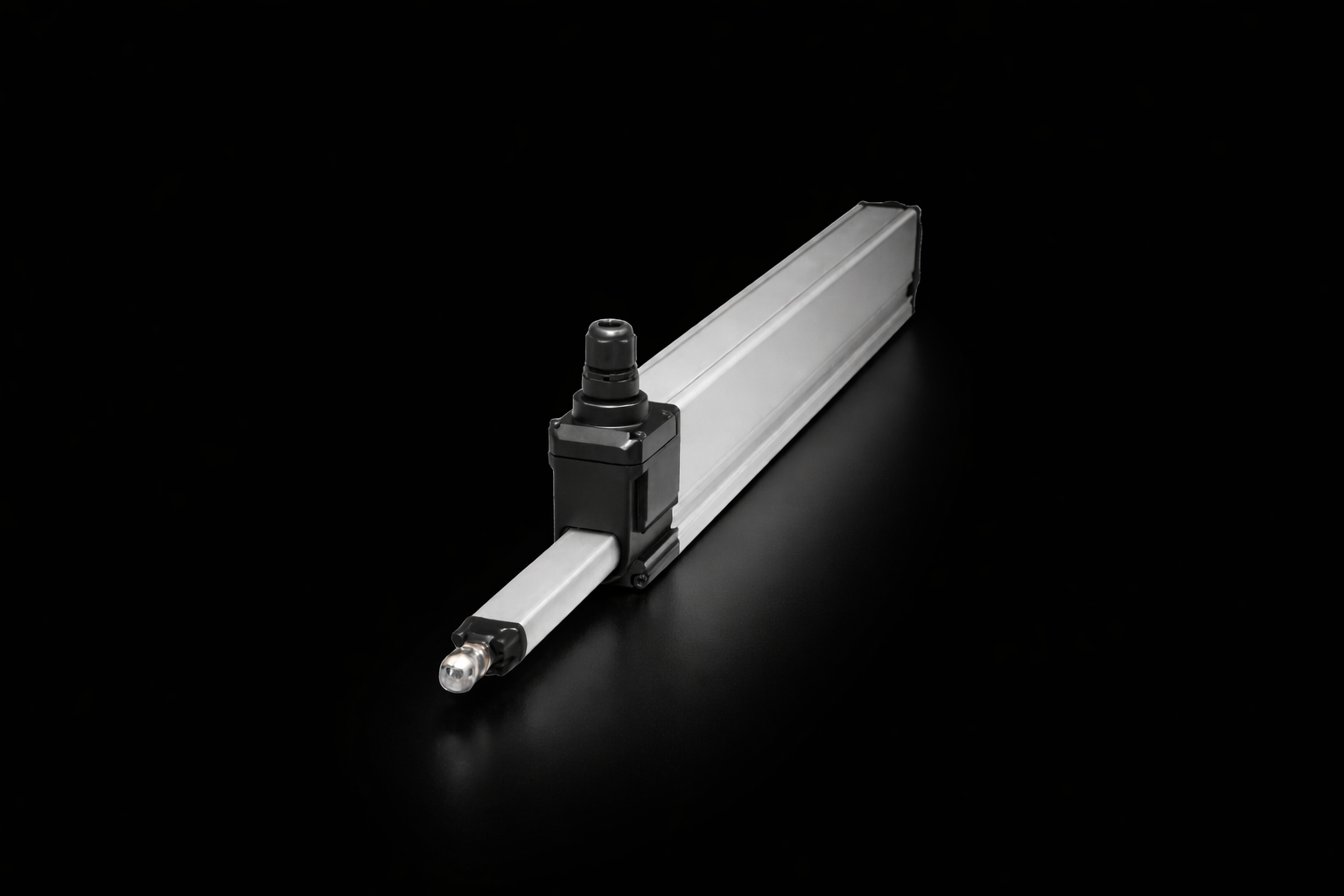
Linear stem actuator with 800N thrust and stroke from 200-1000mm. For top-hung and bottom-hung windows and louvres. 24V DC.
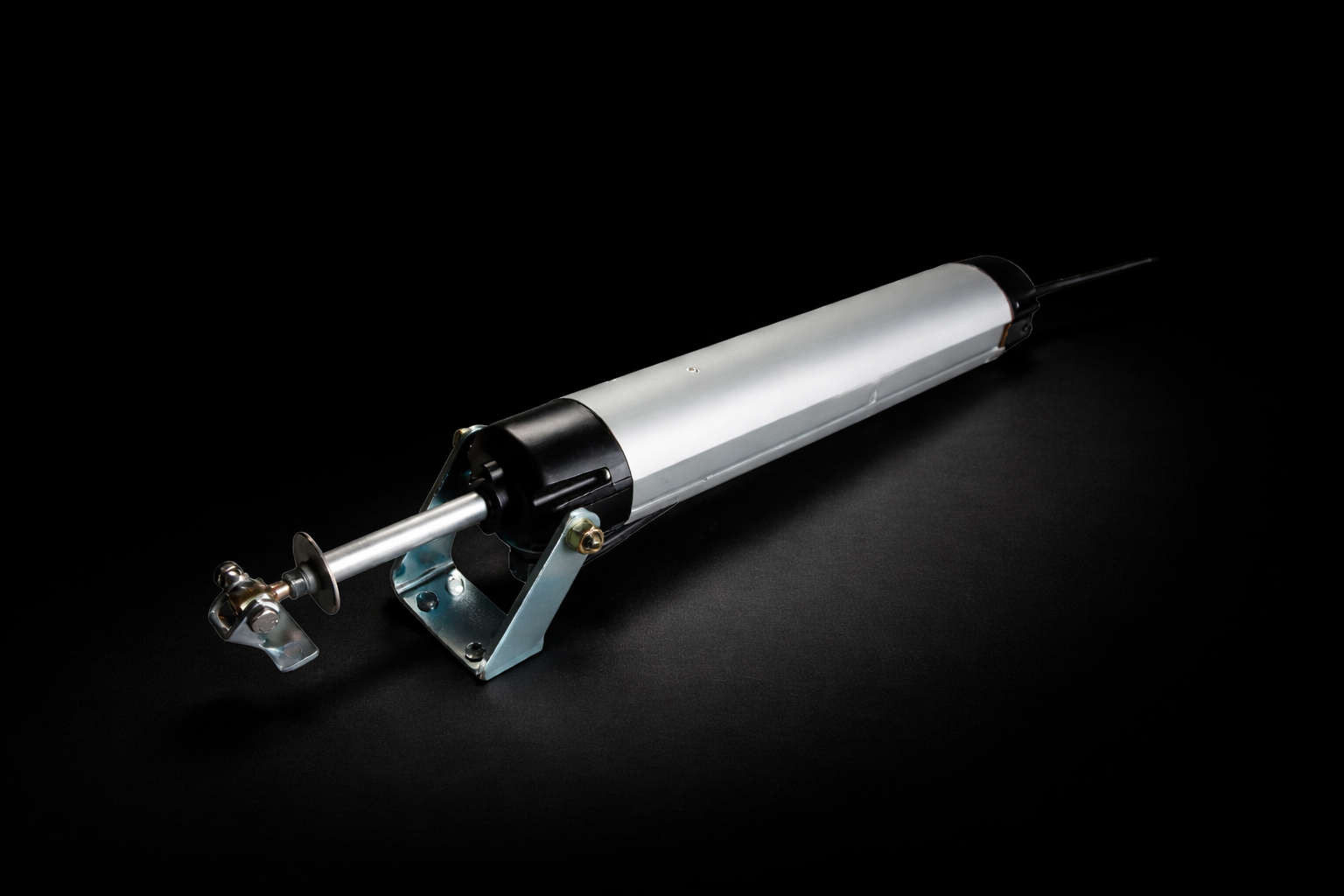
Versatile linear actuator for modern windows and rooflights. 180-500mm stroke at 230V AC. Silver and brown finishes available.
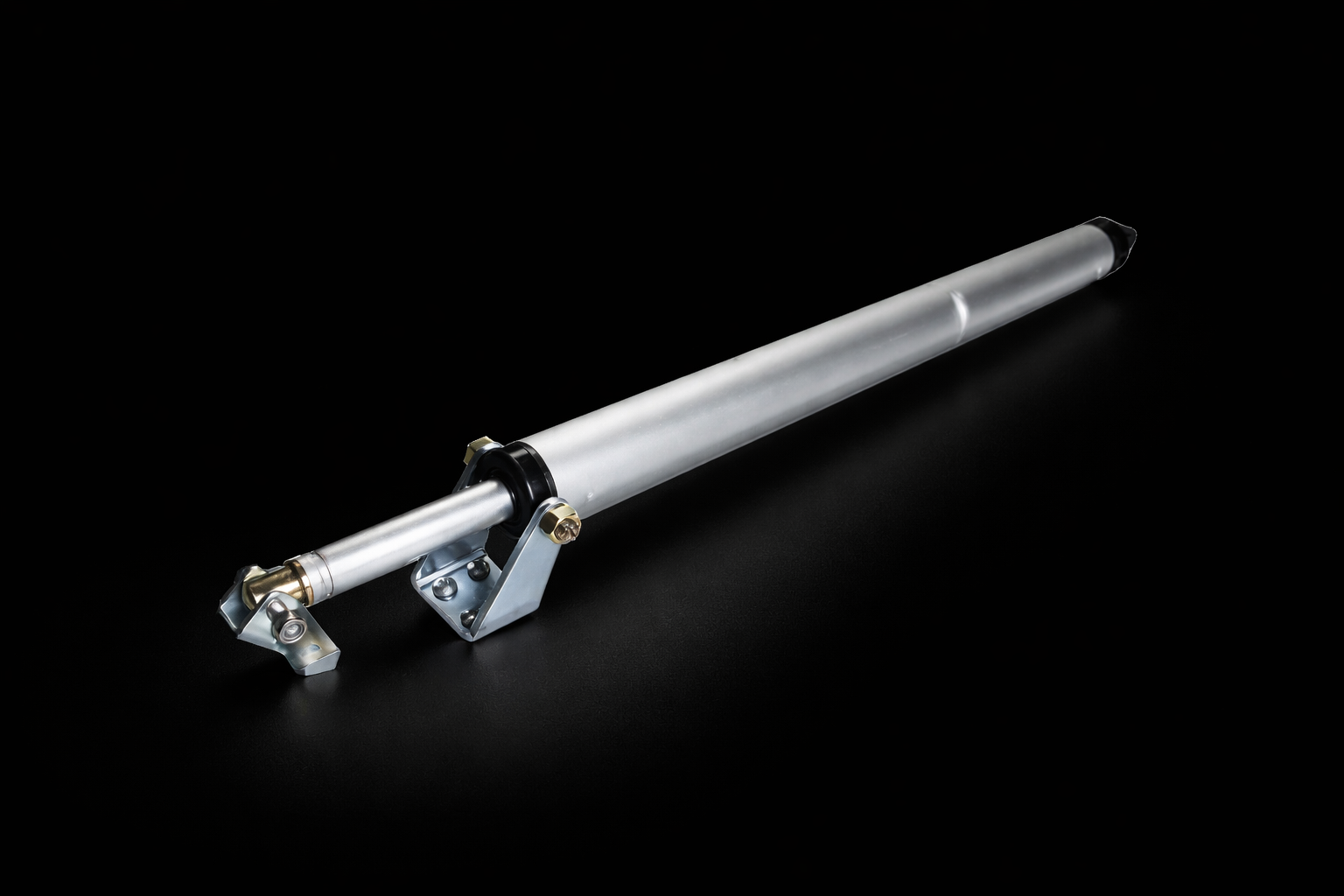
IP65 rated linear actuator for internal and external use. 650N thrust with 180mm and 300mm stroke options. 24V DC in silver anodised finish.
Linear actuators from UCS, Mingardi, and Topp for heavy-duty window automation. Rigid push rod drive delivering up to 1000N force, with IP65 models for external installations. 24V DC and 230V AC variants in stock for next-day despatch.
For technical assistance with linear actuator selection, call 01202 725 689.
A linear actuator is an electric motor-driven device that opens and closes windows, rooflights, and vents using a rigid push rod or leadscrew mechanism. Unlike chain actuators, which use a flexible chain, linear actuators provide a solid mechanical connection between the motor and the window sash throughout the full stroke.
This rigid drive delivers higher sustained force and greater positional stability, making linear actuators the preferred choice for heavier windows, external installations, and applications where the actuator is exposed to wind loading or weather.
Linear actuators are available in 24V DC and 230V AC variants, with force outputs ranging from 300N to over 1000N depending on the model. They are manufactured by specialist European companies including UCS, Mingardi, and Topp, and are widely used in both smoke ventilation and natural ventilation systems across the UK.
Choosing the correct linear actuator involves assessing five key factors: force requirement, stroke length, voltage, IP rating, and mounting arrangement.
The actuator must deliver sufficient force to overcome the weight of the window sash, hinge resistance, and wind pressure: with a minimum 20 to 30 percent safety margin. Stroke length must match the opening distance specified in the fire strategy or ventilation design. Voltage is typically 24V DC for smoke ventilation applications and either 24V DC or 230V AC for natural ventilation depending on the control system.
For external installations, choose an actuator with an IP65 rating or higher to withstand rain and humidity. Finally, confirm the mounting bracket arrangement is compatible with the window type: top-hung, bottom-hung, and pivot windows each require specific bracket configurations. Always verify compatibility with the project documentation before ordering.
Linear actuators used in UK smoke ventilation systems must form part of a certified installation complying with BS EN 12101, the European standard governing smoke and heat control systems. The complete smoke vent assembly (comprising the actuator, window, and frame) must be tested and certified to BS EN 12101-2 as a natural smoke and heat exhaust ventilator.
The actuator alone does not carry standalone BS EN 12101 certification, but must be proven as part of the tested assembly. The smoke control panel powering the actuator must comply with BS EN 12101-10, and the entire system must satisfy the fire safety requirements of Approved Document B.
Some linear actuators, such as the Mingardi DRIVE EVO2, hold EN 12101-2 certification on specific voltage variants, providing additional assurance that the actuator has been tested under fire conditions as part of a certified vent assembly.
Linear actuators are installed in applications where higher force, longer stroke, or greater environmental resistance is required compared to standard chain actuators. Typical installations include:
Their weather-resistant construction, often rated to IP65 or higher, makes them particularly suitable for external applications on building facades, roof-mounted vents, and plant room ventilation openings.
Linear actuators are also used in architectural projects where the rigid rod mechanism provides a cleaner aesthetic than a visible chain, and in retrofit projects where existing window hardware requires a high-force actuator to overcome increased friction or sash weight.
Linear actuators require periodic inspection and functional testing to ensure continued reliable operation. For smoke ventilation installations, BS 7346-8 recommends weekly visual inspections and monthly full-cycle functional tests, including verification that the actuator achieves its full specified stroke and returns to the closed position.
The push rod and mounting brackets should be inspected for signs of corrosion, mechanical damage, or loosening, particularly on externally mounted units exposed to weather. The electrical connections and cable glands should be checked for integrity and water ingress. Modern linear actuators are typically sealed units requiring no lubrication, but the manufacturer’s specific maintenance instructions should be followed.
An annual service by a competent engineer is recommended for life-safety systems, covering force output verification, stroke measurement, and electrical testing. Units showing signs of reduced speed, excessive noise, or intermittent operation should be replaced to maintain system compliance and reliability.