Independent smoke ventilation commissioning
Commissioning, done properly.
SDI 19 certified engineers, BS 7346-8 testing and a certificate building control will accept. The same team from quote to sign-off, never subcontracted.
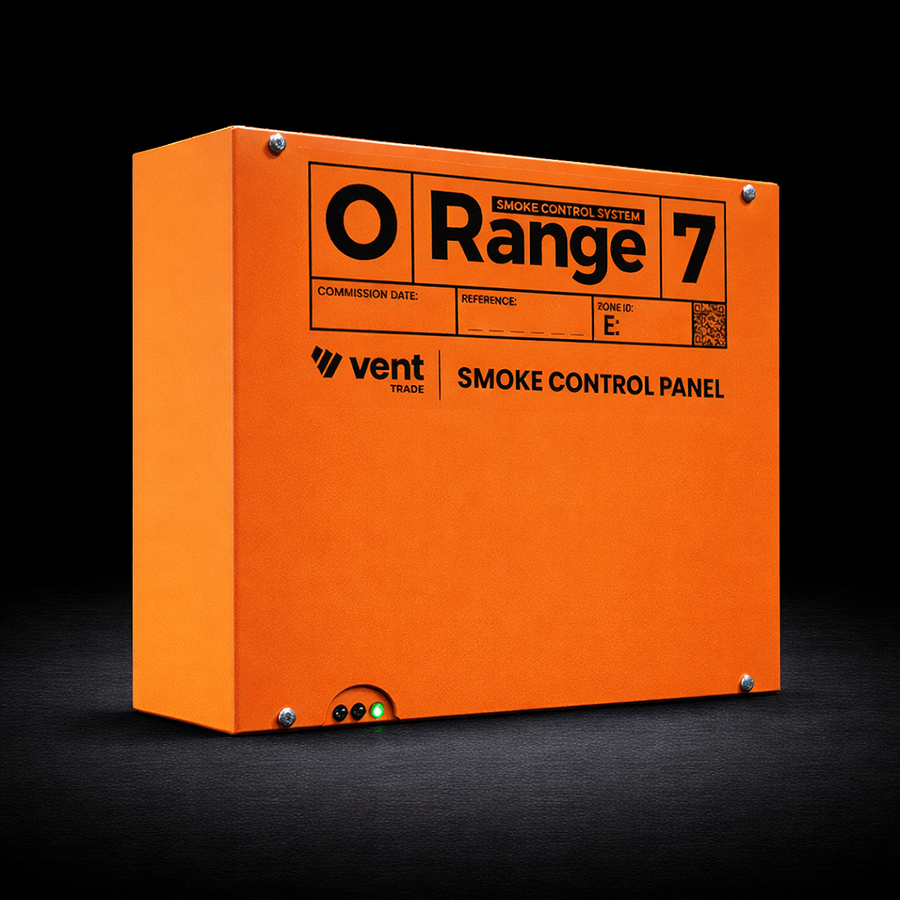
Straight answers
You ask. We give you a straight answer.
The questions we get asked most about smoke ventilation commissioning.
You ask
Is commissioning a legal requirement?
Our answer
YesBuilding control need a BS 7346-8 commissioning certificate to sign the system off, and the Responsible Person has to show it works in service from day one.
You ask
Do you only commission your own systems?
Our answer
NoWe specialise in Ventec and O Range, but our SDI 19 engineers commission smoke ventilation from Colt, Teal, SE Controls, Advanced and other manufacturers.
You ask
Do you subcontract the work?
Our answer
NoEvery commissioning visit is carried out by our own SDI 19 certified engineers, never handed to a third party.
You ask
Will you fix faults on the day?
Our answer
YesWiring corrections, panel reprogramming and actuator adjustments get resolved on site wherever possible, so you avoid a repeat visit.
You ask
Do you commission retrofit and older systems?
Our answer
YesReplacing legacy panels, upgrading AOVs and re-commissioning older installations is a big part of our work, including a condition survey of anything staying in service.
You ask
Do you cover the whole UK?
Our answer
YesWe run UK-wide from our Poole head office, with engineers based regionally.
You ask
Can you maintain the system afterwards?
Our answer
YesSix-monthly and annual maintenance packages keep the system compliant with BS 7346-8 through its life. Ask about a service agreement.
Why it matters
A system that isn't commissioned is a system nobody can vouch for.
Smoke ventilation is life safety. It has to open within seconds and clear the escape route. A system that was never properly commissioned can pass a glance and still fail under a real fire.
Life safety risk
Wiring faults, wrong cause-and-effect or bad zone mapping can stop the system responding when it's needed most.
Legal risk
The Responsible Person and Accountable Person carry criminal liability for fire safety systems that aren't in working order.
Building control
Buildings can't reach final sign-off without a BS 7346-8 commissioning certificate.
Insurance
Commercial insurers increasingly want evidence of compliant commissioning as a condition of cover.
Remediation cost
Finding faults years after handover, with the building occupied, costs far more than catching them at commissioning.
What we actually test
Methodical, not a switch-on-and-check-the-LEDs job.
Proper commissioning verifies every link from fire detection to smoke clearance: each component on its own, then the whole system against the cause-and-effect matrix, then the interfaces to fire alarm, BMS and access control.
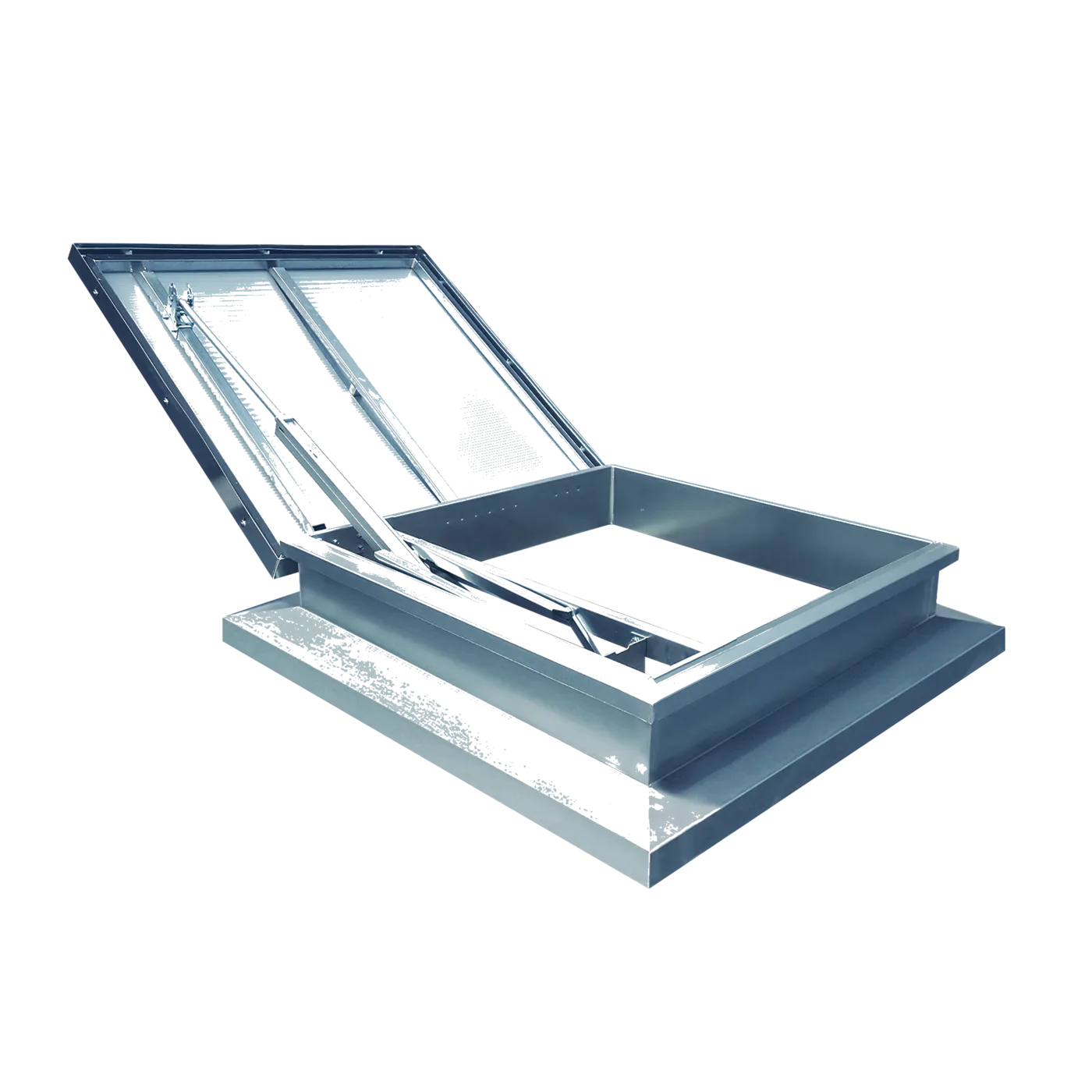
Pre-commissioning review
We check the fire strategy, cause-and-effect matrix, drawings and DoP certificates before we mobilise, so problems surface early.
Component testing
Every AOV, damper, fan, panel input and output, and firefighter switch is tested individually.
Cause-and-effect verification
Every trigger is tested and the response checked against the matrix, zone by zone, including primary zone lockout.
Documentation and handover
A BS 7346-8 certificate, test results, battery load tests and a competent person declaration, ready for building control and the Golden Thread.
Why Independent Commissioning Matters
Smoke ventilation is a life-safety system. When a fire occurs in a residential stairwell or corridor, the AOV system must open within seconds to clear smoke and protect escape routes. A system that has not been properly commissioned may appear functional during routine checks but fail under real fire conditions, when wiring faults, incorrect cause-and-effect programming, or misconfigured zone mapping prevent the system from responding as designed.
Independent third-party commissioning by SDI 19 certified provides an objective verification that the installed system performs exactly as the fire strategy requires. Unlike self-certification by the installing contractor, independent commissioning removes the conflict of interest and gives building control, the client, and the Responsible Person a defensible compliance record.
For higher-risk residential buildings under the Building Safety Act 2022, the commissioning certificate forms a critical part of the Golden Thread, the digital record of building safety information that must be maintained throughout the building’s lifecycle.
The Regulatory Framework
Smoke ventilation commissioning in the UK sits within a layered regulatory framework. Understanding the relevant standards is essential for anyone specifying, installing, or managing these systems.
The Law
Under the Regulatory Reform (Fire Safety) Order 2005, the Responsible Person for a building must ensure that fire safety measures, including smoke ventilation systems, are maintained in efficient working order. A system that has never been properly commissioned cannot be shown to be in working order from day one.
The Building Safety Act 2022 strengthened these obligations for higher-risk residential buildings (at least 18 m in height or with at least 7 storeys, containing at least 2 residential units), introducing the concept of the Accountable Person and requiring a Golden Thread of building safety information from design through to occupation and beyond.
The Fire Safety (England) Regulations 2022, in force from January 2023, impose specific duties on residential buildings of at least 11 metres in height, including the provision of information to the fire service about the smoke ventilation system, information that commissioning records provide.
The Guidance
Approved Document B of the Building Regulations references BS EN 12101 for smoke control system components and provides a “presumption of compliance” (rebuttable in unusual buildings, not an absolute defence). Building control will check for evidence that the installed system meets the standards referenced in ADB.
BS 9991 (residential) and BS 9999 (non-residential) provide the detailed fire safety design guidance that informs the fire strategy, and therefore the cause-and-effect matrix that commissioning must verify.
The Standard
BS 7346-8 is the definitive code of practice for the planning, design, installation, commissioning and maintenance of smoke control systems. Section 8 specifies exactly what a commissioning process must include:
- Zone-by-zone functional testing
- Verification against the cause-and-effect matrix
- Testing of every input (detectors, manual call points, firefighter switches)
- Testing of every output (vents, dampers, fans)
- Battery backup verification
- Fire alarm interface testing
- Documented evidence of every test result
- A competent person declaration
A commissioning visit that does not cover all of these areas is not BS 7346-8 compliant.
The Competency
SDI 19 is the industry certification scheme administered by the Institute of Fire Engineers and recognised across the UK fire safety sector as the gold standard for smoke ventilation engineer competency. SDI 19 certification demonstrates that an engineer has been trained and assessed specifically on smoke control system installation, commissioning, and fault diagnosis.
Every Vent Trade commissioning engineer holds current SDI 19 certification. We do not subcontract commissioning to third parties.
What Smoke Ventilation Commissioning Actually Tests
Proper commissioning is methodical and exhaustive. It is not a “switch it on and check the LEDs” exercise. A full commissioning visit verifies every link in the chain from fire detection to smoke clearance.
Pre-Commissioning Documentation Review
Before our engineers attend site, we review:
- The fire strategy document from the fire engineer
- The cause-and-effect matrix
- System design drawings and zone layouts
- The installing contractor’s installation records
- Declaration of Performance (DoP) certificates for every component
- Any relevant building control correspondence or specifications
This review identifies documentation gaps, inconsistencies between drawings and as-installed configurations, and any issues that can be resolved before we mobilise engineers to site.
Component-Level Testing
Every component in the smoke ventilation system is tested individually:
- AOV vents and windows, verification that each unit opens to its full certified free area within the time specified in the fire strategy. Actuator travel, limit switch operation, and end-of-travel monitoring are all tested.
- Smoke dampers. Each damper is stroked through full open and close cycles. Fire resistance rating and certification evidence are recorded.
- Fans, extract fans, impulse fans, and induction fans are tested for start-up, run-up time, airflow (where applicable), and shutdown.
- Smoke control panel, power-on self-test, display and indicator operation, fault monitoring, and all input/output channels.
- Firefighter override switches, manual override operation from every building entrance.
- Smoke detectors, where dedicated to the smoke ventilation system, each detector is tested to confirm signal generation.
Cause-and-Effect Verification
With every individual component verified, the system is tested as a whole against the cause-and-effect matrix. Each trigger condition, fire alarm signal, smoke detector activation, firefighter switch operation, is tested, and the resulting system response is verified against the matrix:
- Correct vents open in the correct zone
- Correct dampers operate in the correct sequence
- Correct fans start at the correct time
- Non-affected zones remain unchanged
- Primary zone lockout behaves correctly
Any deviation between expected and actual response is a cause-and-effect fault, and must be rectified before commissioning can be signed off.
Interface Testing
The interfaces between the smoke ventilation system and other building systems are tested under real conditions:
- Fire alarm interface, a real fire alarm signal, simulated or actual, must produce the correct smoke ventilation response
- BMS interface, monitoring signals, fault reporting, and day-to-day ventilation control (where applicable)
- Access control, release of locks on escape routes when smoke ventilation activates
- Lift systems, where smoke ventilation triggers lift homing or isolation
Battery Backup Testing
The smoke control panel’s standby batteries are load-tested to confirm the system can operate for the full specified standby duration (typically 72 hours under BS EN 12101-10) plus a specified period of full-load operation.
Documentation and Handover
Within 48 hours of the site visit, the building manager and building control receive:
- The commissioning certificate (BS 7346-8 compliant)
- Zone-by-zone test results
- Completed cause-and-effect matrix with verification signatures
- Battery test results
- Fire alarm interface test record
- Any snag reports with photographs and remedial actions
- Competent person declaration (SDI 19)
- Component DoP certificates
For higher-risk buildings, these documents form part of the Golden Thread record and must be maintained for the lifetime of the building.
Common Commissioning Issues
After decades of commissioning UK smoke ventilation systems, the same issues come up repeatedly. Knowing what to look for saves time and avoids repeat visits.
Cause-and-effect programmed from the wrong version of the fire strategy. The fire engineer issued revisions. The installer programmed from the original. The as-installed system does not match the current fire strategy. Resolution: verify the programmed C&E against the latest fire strategy before any testing begins.
Fire alarm interface connected but not monitored. The wiring is there. The signal comes through when tested. But the fire alarm panel does not monitor the interface for faults, so if the cable fails in service, nobody knows until the next test. Resolution: ensure the interface is fully monitored in both directions.
Battery standby insufficient. The installed battery capacity, when load-tested, does not provide the full 72-hour standby. Either the batteries have been incorrectly specified or they have already degraded. Resolution: replace with correctly specified batteries and re-test.
AOVs not reaching full free area. The vent opens, but not to the full opening specified on the Declaration of Performance. The certified GFA is not being achieved. Resolution: adjust limit switches or investigate mechanical obstruction.
Dampers installed with incorrect orientation. The damper operates, but airflow direction is wrong, or the damper is fitted outside its certified installation envelope. Resolution: re-install per the manufacturer’s certified installation guide.
Documentation gaps. No DoP certificates available for one or more components. No updated drawings reflecting as-installed configuration. No record of who changed what during installation. Resolution: gather documentation before commissioning, or identify it as a snag for the installer.
The Cost of Bad Commissioning
A smoke ventilation system that has been poorly commissioned, or not commissioned at all, carries significant risk:
- Life safety risk. The system may fail under real fire conditions, with consequences for occupants and firefighters.
- Legal risk. The Responsible Person and Accountable Person face criminal liability for failing to maintain fire safety systems in working order.
- Insurance risk. Commercial building insurers increasingly require evidence of BS 7346-8 compliant commissioning as a condition of cover.
- Building control risk. Buildings cannot achieve final sign-off without commissioning certification.
- Remediation cost. Discovering issues years after handover, when the building is occupied, is significantly more expensive than catching them during commissioning.
Independent third-party commissioning by SDI 19 engineers is cheap insurance against all of these risks.
Vent Trade Commissioning Service: What You Get
When you book commissioning with Vent Trade, you get:
- SDI 19 certified on every visit, never subcontracted
- BS 7346-8 compliant commissioning methodology used consistently since the standard was published
- Pre-commissioning document review at no extra cost
- On-site fault resolution wherever possible to avoid repeat visits
- Full commissioning documentation within 48 hours, formatted for building control sign-off
- Golden Thread ready documentation package
- UK-wide coverage from our Poole, Dorset head office with engineers based regionally
- Part of the Smoke Control Association, active committee members contributing to industry standards
Our commissioning service is available for new installations, retrofits, and periodic re-commissioning of older systems where a fire risk assessment has flagged concerns.
Book Your Commissioning Visit
- Call us: 01202 725 485
- Email: info@vent-trade.co.uk
- WhatsApp: +44 7700 143933
Send us your system drawings, cause-and-effect matrix, and site location. We will provide a fixed-price commissioning quote within 24 hours.
Related Resources
Who you are buying from
Since 1988. SDI 19 engineers. Certificates that hold up.
Book a commissioning visit
Get a fixed-price commissioning quote in 24 hours.
Send us your system drawings, cause-and-effect matrix and site location. We'll review before we mobilise, and give you a fixed price.